Vitamin C Benefits
| July 8, 2018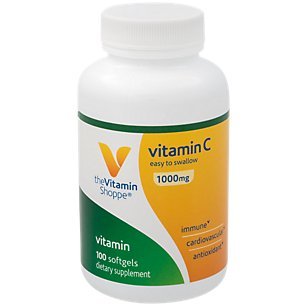

Vitamin C (also known as ascorbic acid) is a water-soluble vitamin with many health benefits that can be found in a variety of foods. Because Vitamin C is water soluble (meaning it dissolves in water rather than fat and therefore is not stored in the body), it poses little risk via over-consumption, as the body is designed to use up how much it needs of the vitamin and excrete any excess through urine. Many sources for supplements agree on recommended daily amounts to get the full benefits of Vitamin C. Nutritionists note, however, that because Vitamin C is considered so safe and so crucial to so many aspects of health, an ideal dosage may be much higher than recommended daily amounts to get the maximum benefits.
Health Benefits of Vitamin C
Vitamin C is thought of as one of the safest and most beneficial nutrients for the human body. Vitamin C is beneficial in its role in boosting immune system health, cardiovascular health, prenatal health, eye health, and skin health. Do an internet search of any vitamin or food to get an idea of how nutrient dense and powerful a nutrient or food is, and you will get a quantifiable answer based on the articles written about that nutrient or food. For instance, Vitamin C has articles written that detail over 30 proven health benefits, and lists of many foods from which it is available. This tells you a little bit about what a powerhouse of health Vitamin C can be, when you compare this with the health benefits of Vitamin K, for example (not as many articles, sources, or benefits documented for Vitamin K). With over 30 documented benefits of Vitamin C, the highlights include its anti-cancer effects, anti-histamine properties, anti-inflammatory effects, anti-oxidant effects, promotion of skin, bone, and brain health, prevention of cold and flu and a wide array of other conditions, and its immune-boosting properties.

Vitamin C Foods
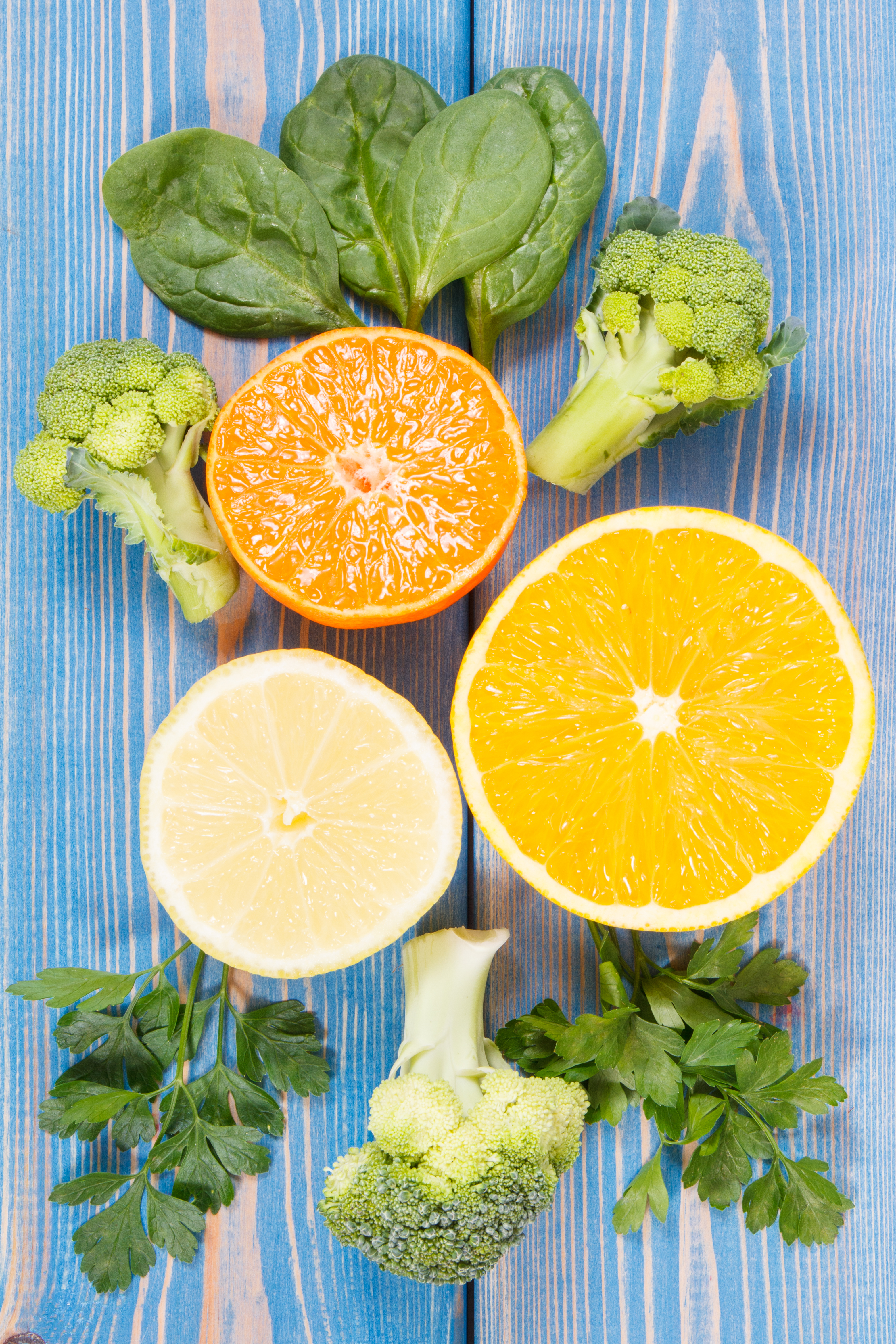
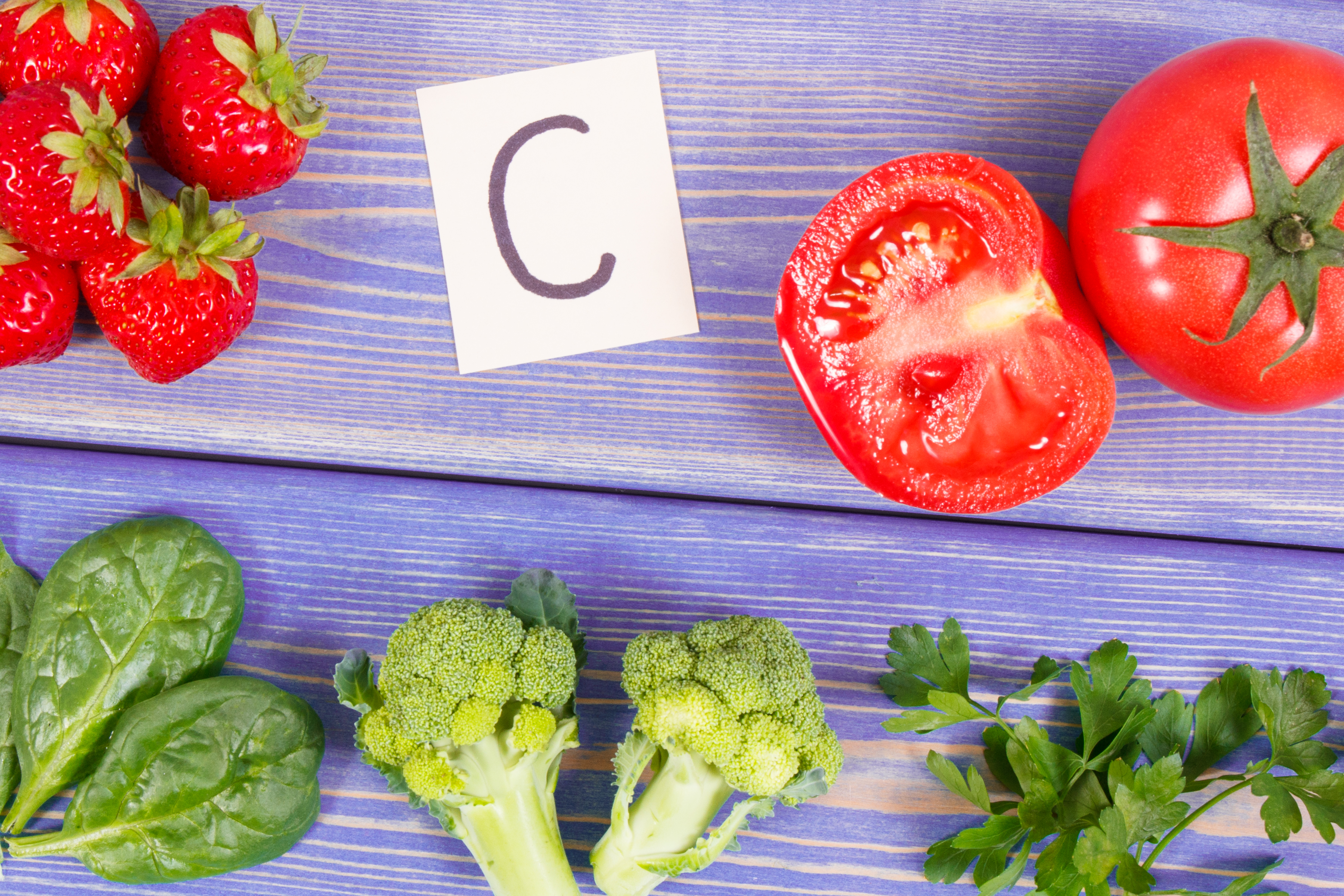
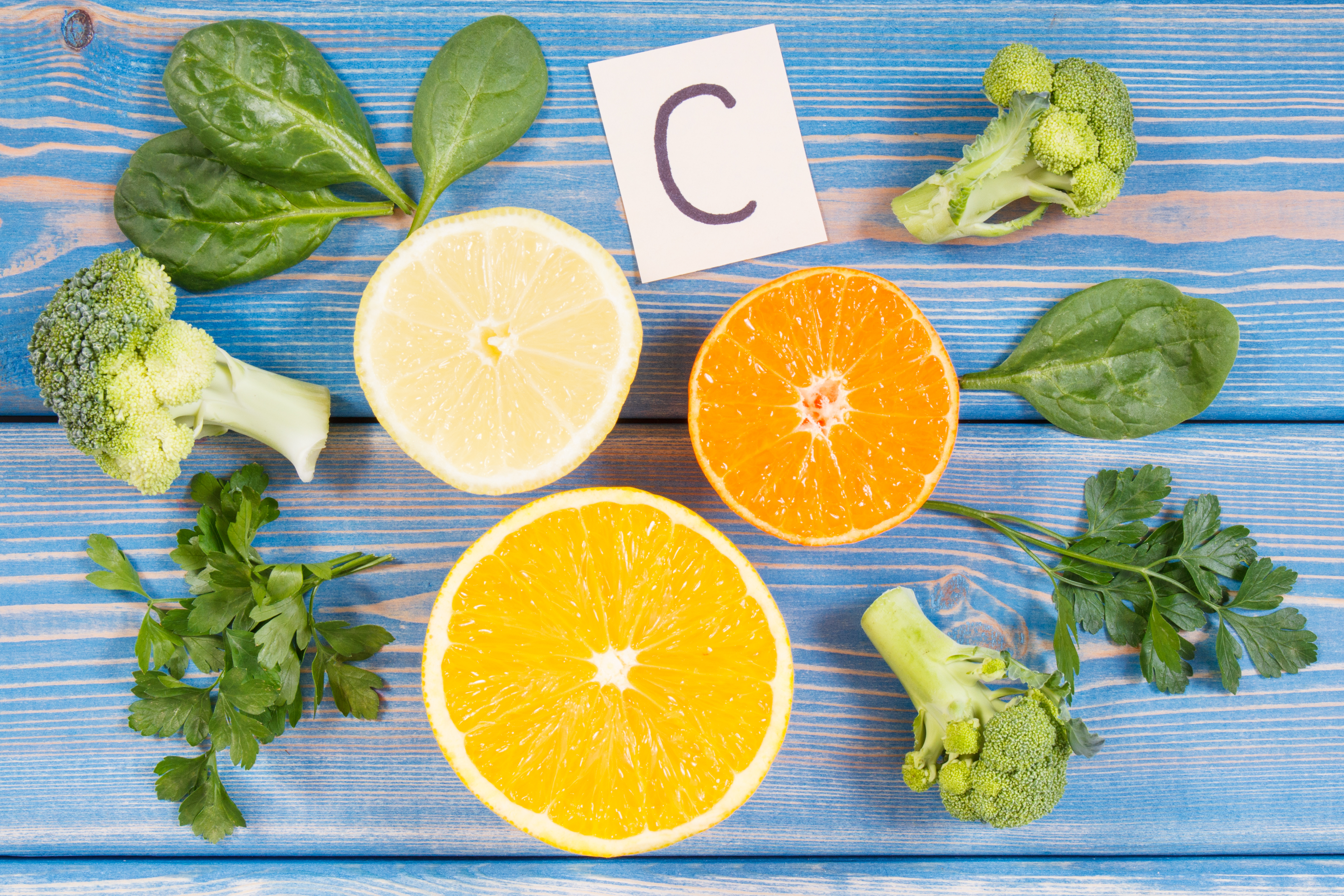
Vitamin C can be found in a vast number of foods. Picking nutrient dense foods as the staples of one’s diet, in my opinion, is the key to good health with no need to buy supplements. There should not be a need to read labels for vitamin recommended daily amounts as the foods with all the nutrients one needs in a day do not have labels and nutrition facts. You can buy fresh fruits, vegetables, and meats to get all the Vitamin C you need (and then some) along with all of the other wonderful nutrients the body needs. Without researching what types of foods contain Vitamin C, you may have the impression that you have to drink a ton of orange juice to get the amount of Vitamin C you need for the day, but you would be surprised to learn that you would get over 160% of the recommended daily value of Vitamin C from eating one orange. You might be further surprised to learn that oranges (despite their reputation as the exemplar of vitamin C sources) do not even rank in the top five fruits in Vitamin C density (in terms of recommended daily value percentages). Guavas and kiwis are three to six times more Vitamin C dense than oranges. One source cites that one guava fruit provides over 600% recommended daily value of Vitamin C and that one kiwi fruit provides over 270% of the recommended daily value of Vitamin C. Besides fruits, peppers, broccoli, Brussels sprouts, and (of course), dark leafy greens (kale and parsley) each provide between 125% and 317% of the recommended daily value of Vitamin C needed. There are over 15 foods with more than 100% of the recommended daily value of Vitamin C (all vegetables and fruits). So, the bottom line here, if you take anything away from this article, is that for Vitamin C, as is going to be the case for any water soluble and widely sourced nutrient, you will get more than you need to be healthy every day if you fill your plate with greens, vegetables, and fruits. What’s more, if it is rich in Vitamin C, it is probably rich in other nutrients as well – meaning that you can probably get all the nutrients you need for the day by doing zero reading and research and just filling your plate with whatever fruits and vegetables you are hungry for and eating until you are full. So I say, when it comes to vegetables and fruits, you can’t go wrong.